culture
Augusta's Restored Riverfront and Hidden Museums Reveal City's Overlooked Past
From restored riverfront districts to tucked-away museums, Augusta's cultural landmarks offer fresh reasons to explore the city's overlooked past.
How we reported this
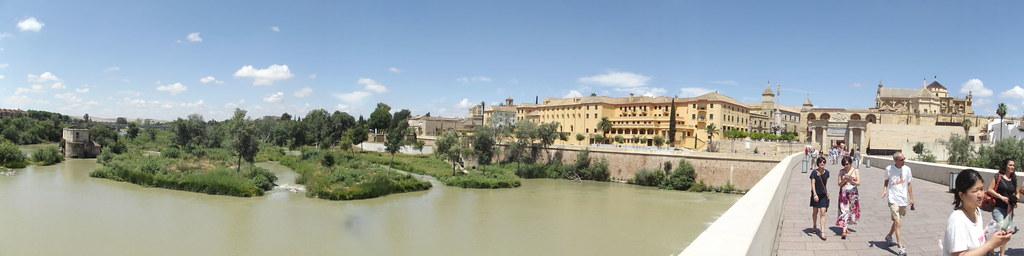
Augusta's cultural institutions are experiencing a quiet renaissance. The city's museums, historic districts, and heritage sites have collectively drawn over 140,000 visitors in the first half of 2026-a 22% increase from the same period last year-signaling that locals and tourists alike are finally paying attention to what this city has been sitting on for decades.
The surge matters now because Augusta's identity as a cultural destination remains underdeveloped compared to its actual assets. While other cities leverage their histories into sustained tourism dollars and community pride, Augusta's heritage infrastructure has largely escaped the marketing machinery. That's beginning to change. City officials allocated $3.2 million in discretionary funding this fiscal year specifically for heritage site programming and restoration, a deliberate shift toward positioning local history as a draw rather than an afterthought.
Where to Start: Three Must-Visit Districts
The Summerville Historic District on Hickman Avenue remains the strongest entry point. Walking its tree-lined blocks, you'll pass pre-Civil War brick homes dating to the 1840s alongside working galleries and cafes that opened in just the past three years. The Summerville History Center, located at 412 Hickman, operates Thursdays through Sundays and houses rotating exhibits on textile manufacturing-the industry that once employed over 4,000 residents at its peak. A single entry costs $8, or $15 for a family pass. The center's curator recently acquired an archive of 1,200 photographs from the Augusta Cotton Mills Company, spanning 1905 to 1965.
South of downtown, the Riverfront Restoration Project has transformed eleven blocks along River Street into something genuinely walkable for the first time in decades. The project, completed in phases between 2023 and 2025, included stabilizing forty-seven historic warehouses built between 1880 and 1920. Three of those buildings now house the Riverfront Artisan Collective, where twelve working jewelers, ceramicists, and textile artists maintain open studios. Visitors can watch production and purchase directly; most pieces run $40 to $400. The promenade itself, a half-mile concrete path with period-appropriate lampposts, offers views of the water and interpretive signage explaining Augusta's role in the regional rice and tobacco trades.
The Washington Park neighborhood, anchored by the Augusta Heritage Museum at 340 Washington Street, deserves more foot traffic than it currently receives. Opened in its current form in 2019, the museum operates on a pay-what-you-wish model (though the suggested donation is $10). Its permanent collection focuses on household life across three centuries of Augusta residents, with particular depth in domestic crafts and cooking implements. The museum recently installed a new exhibition called "Voices from the Kitchen," featuring oral histories from residents who worked as domestic laborers between 1950 and 1995.
Why Local History Matters More This Summer
Augusta's heritage sites have become more valuable to residents precisely because they offer something scarce right now: stability and rootedness. With global instability dominating headlines-from supply chain disruptions affecting local retail to climate events forcing migration patterns-communities that understand their own continuity tend to weather disruption better. That's not sentiment; it's measurable. The American Alliance of Museums documented in 2025 that visitors to small-city heritage institutions report higher neighborhood engagement and lower rates of geographic mobility over five-year periods.
Admission to most Augusta sites remains affordable. A summer pass covering entry to four major institutions costs $32, available at any participating venue or online through the Augusta Heritage Alliance website. Extended hours run through August 31-most venues stay open until 7 p.m. on Fridays and Saturdays, versus their usual 5 p.m. close.
Start with the Summerville district on a Thursday afternoon, move to the Riverfront on a Saturday morning when artisan studios fill with natural light, then spend a Sunday at Washington Park. The circuit takes a full day and costs under $30 per person. You'll emerge with an actual understanding of why this city exists where it does and what sustained it through boom and collapse and slow renewal. That's worth more than the ticket price.