finance
Tech Rally Lifts Global Equities as Oil Surge Reshapes Energy Outlook
The Nasdaq's 1.74% jump signals renewed appetite for growth stocks, but currency weakness and crude's 4.17% spike present offsetting headwinds for Augusta's export-focused firms and foreign-currency earners.
How we reported this
The global equity rally accelerated on Sunday as the Nasdaq Composite surged 1.74% to 26,282, outpacing the S&P 500's more modest 1.23% gain to 7,575. The divergence tells a familiar story: money is rotating back into technology and high-growth names after weeks of caution, lifting risk appetite across developed markets. For Augusta investors, the question is whether this momentum will sustain if oil prices keep climbing, now sitting at US$71.41 a barrel and up 4.17% on the day.
The USD weakness that typically accompanies tech rallies is already showing up in currency markets. EUR/USD fell 0.17% to 1.1419, reflecting a modest pullback in dollar strength that benefits European exporters but complicates matters for Augusta-based companies earning revenues in stronger currencies. Bitcoin's 2.46% jump to US$63,788 suggests investors are willing to take on risk again, though gold's 1.00% slide to US$4,114 per ounce indicates some rotation away from defensive assets.
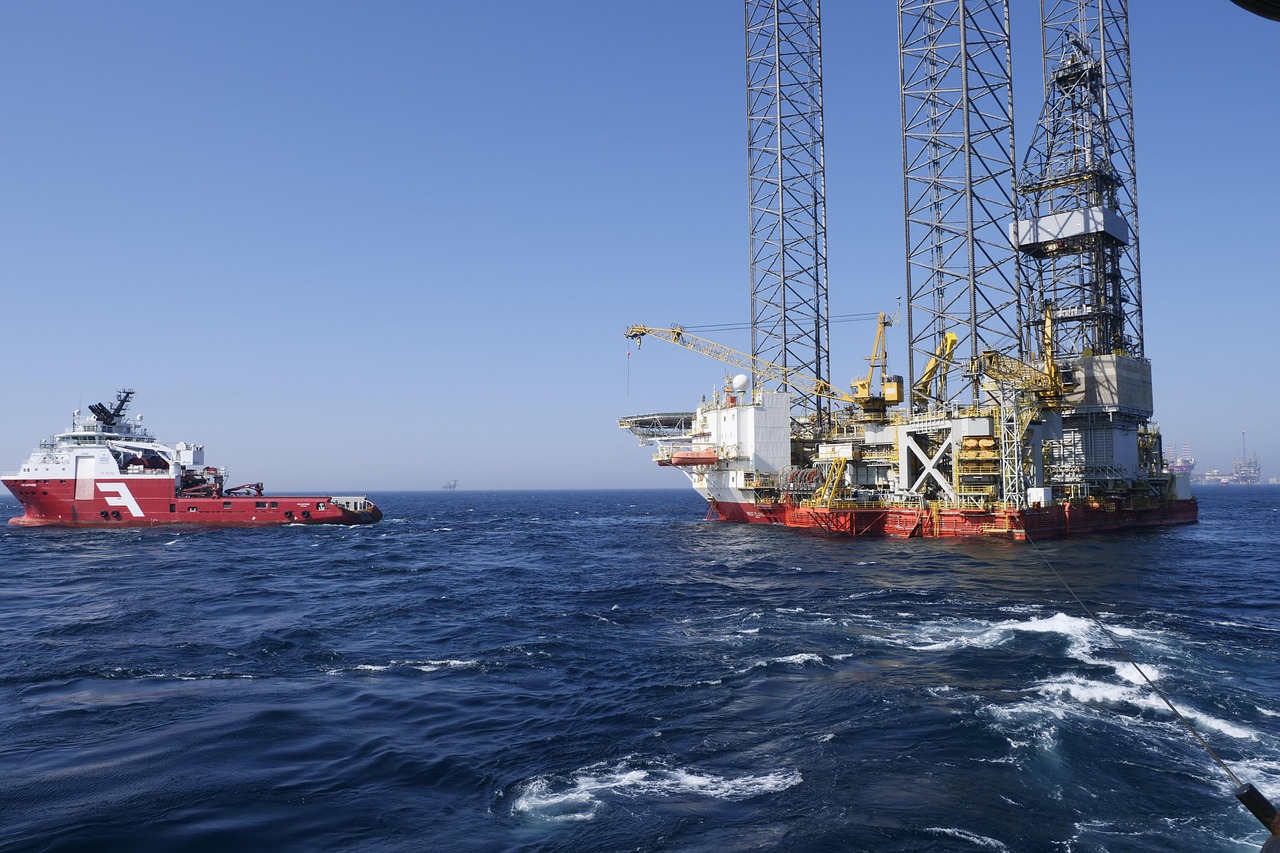
Oil's outsized move is the wild card. A 4.17% jump in crude in a single session usually signals either supply anxiety or shifting expectations for energy demand. Either way, it reaches directly into Augusta's industrial sector and any locally listed firms with exposure to transport, logistics or petrochemicals. Companies that benefited from cheaper energy over the past 18 months face margin pressure again, and those with hedged positions will be re-evaluating their fuel cost forecasts.
Currency and Earnings in Flux
The EUR/USD weakness matters because it suggests the dollar remains a holding pattern rather than a driver. For Augusta exporters priced in dollars, this is neutral ground. But for firms with significant European operations or balance sheet exposure, the slip is welcome relief. Currency volatility has been a persistent drag on earnings guidance across the industrial and consumer sectors; a stabilising euro, even at lower levels, could reduce the need for another round of FX-related writedowns.
The tech rally's persistence depends partly on whether central banks read the energy move as inflation-pushing or demand-driven. A genuine demand spike lifts all boats; a pure supply-side shock risks pinching corporate margins while doing little for revenue growth. Augusta investors should watch whether energy stocks participate in this rally or lag. If oil majors are outpacing utilities and consumer names, it signals markets are pricing in sustained high prices. If tech and discretionary names are leading, we are looking at a rotation that presumes inflation stays contained.
Bitcoin's strength relative to gold is also worth noting. When cryptocurrencies outperform precious metals, it usually signals enthusiasm for liquid, volatile assets over traditional hedges. This appetite for growth and leverage typically evaporates quickly if rates spike or earnings disappoint. The next earnings season will be critical: if companies maintain margins despite higher oil costs, the rally has real legs. If guidance comes in light because of energy headwinds, the Nasdaq's recent exuberance could prove short-lived.
Augusta's dividend-paying, large-cap holdings benefited from the broader rally today, but currency headwinds and energy costs remain the real story underneath. The market's willingness to buy growth again is genuine, but it is conditional. Investors should expect volatility until we see clarity on whether this oil move is transient or the start of a sustained energy cycle. For now, the 1.74% tech rally offers a tactical window to reassess exposure to energy, exporters and foreign-currency earners.
This article is general information only and is not personal financial or investment advice. Consider your own circumstances and seek licensed professional advice before making financial decisions.